Strengthening Health System Resilience: RANA Advances Stakeholder Engagements in Zambia
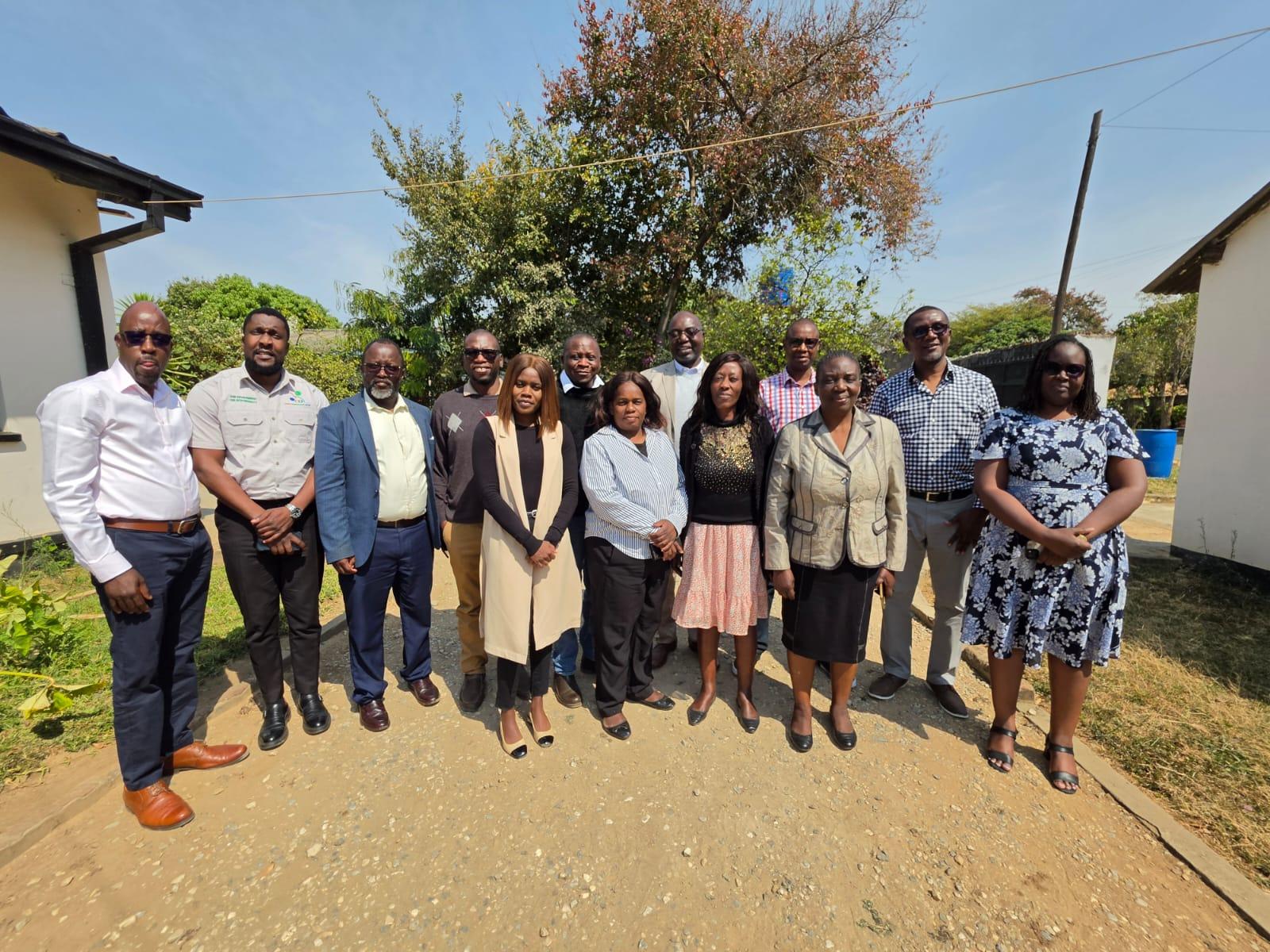
The Resilience in Action Network Africa (RANA) team undertook a series of stakeholder engagements in Lusaka from 14–17 July 2026 to inform the upcoming landscape study on disease surveillance, epidemic preparedness and resilient health systems. The team held meetings with representatives from Zambia National Public Health Institute (ZNPHI), the Ministry of Green Economy and Environment, Provincial Health authorities and Africa CDC as well as officials from Health Financing Alliance, Centre for Infectious Disease Research in Zambia, Amref Health Africa and AIDS Healthcare Foundation Zambia.
RANA is implementing a two-year initiative to strengthen civil society engagement and leadership in disease surveillance, early detection and resilient health systems in Zambia and Mozambique. The initiative will promote community-centred surveillance, stronger accountability, sustainable domestic financing and coordinated action across health, climate, environment, research and other relevant sectors. It will also support the use of the 7-1-7 framework to identify and address delays in outbreak detection, notification and early response.
As part of this initiative, RANA is undertaking a landscape study to examine the systems, relationships and investments that shape disease surveillance, epidemic preparedness and health-system resilience in Zambia. The study recognizes that outbreaks do not arise or spread through the health sector alone. Climate shocks, mobility, livelihoods, environmental change, public trust, governance and the ability of communities to act on information all influence preparedness outcomes.
The Lusaka engagements were therefore designed to obtain strategic and operational perspectives from government and civil-society stakeholders, validate priority issues for further inquiry, and identify practical opportunities for partnership and advocacy.
RANA will use the landscape study as a convening and evidence platform: validating where the system is working, exposing the points at which information or action is delayed, and translating community experience into a focused set of institutional and financing reforms.
The team also convened the RANA Working Group Steering Committee during the visit.
The Steering Committee discussion focused on the governance and implementation architecture for the study. The steering committee of approximately 15 members would provide strategic oversight, and facilitate access to institutions and districts.
Tags
- disease surveillance
- pandemic prevention
- preparedness
- Resilience Action Network Africa
- Zambia