Localising Resilience in Africa: Communities Leading the Way
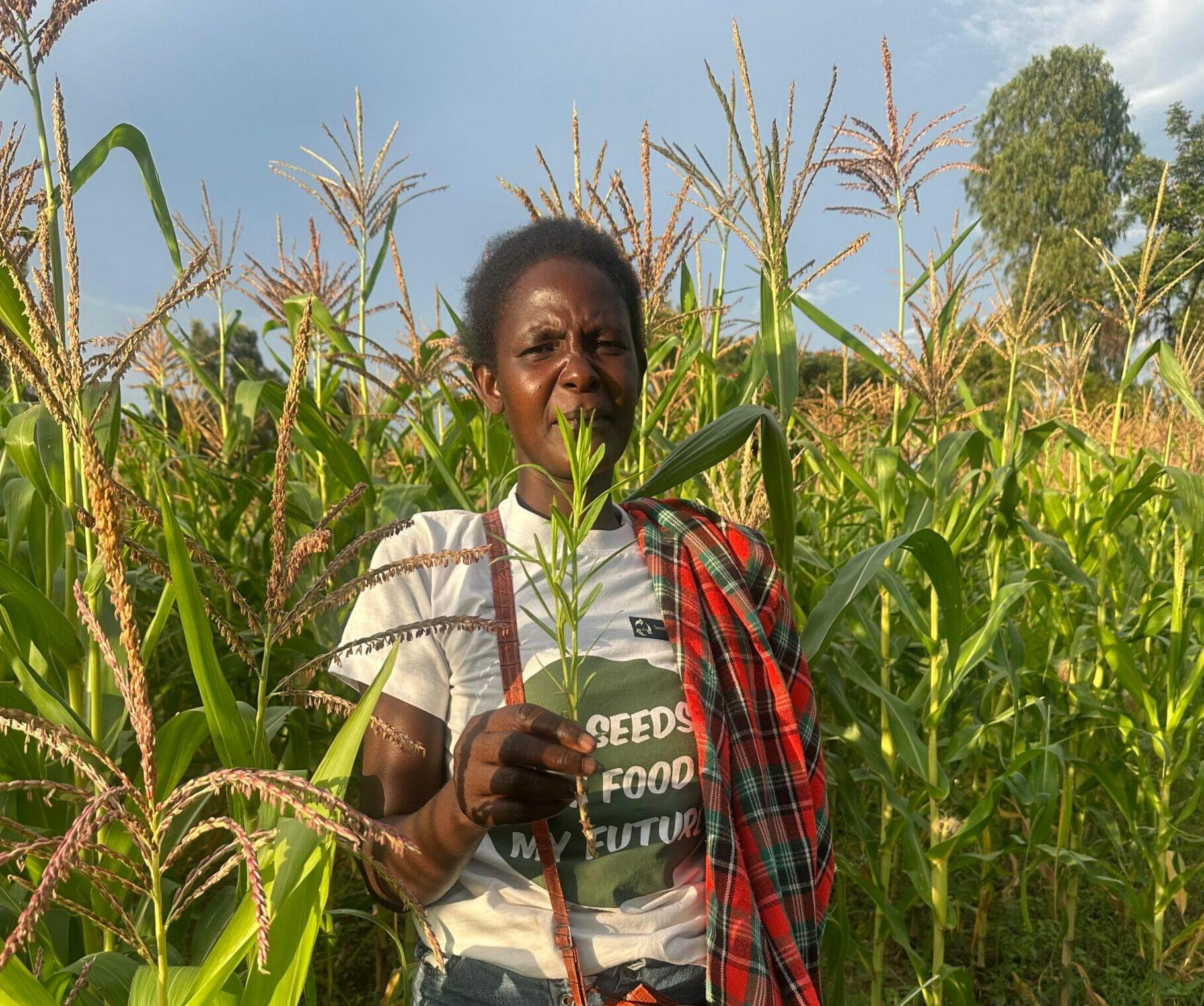
As climate shocks intensify, health threats become more complex, and socio-economic inequalities deepen, resilience can no longer remain an abstract policy aspiration. It must be rooted in the realities of communities living on the frontline of these challenges and shaped by those who experience them every day.
This is the approach driving the work of Resilience Action Network Africa (RANA), which is working across the continent to ensure that communities are not simply recipients of resilience investments, but active partners in defining priorities, shaping solutions, and influencing policy.
Recent community resilience dialogues and validation workshops in South Africa, Sierra Leone, and Kenya demonstrate a common reality: while each country faces unique challenges, the underlying drivers of vulnerability are deeply interconnected.
Communities Understand Resilience as a Connected System
Across all three countries, one message emerged consistently: communities do not experience climate change, health emergencies, poverty, governance challenges, and social exclusion as separate issues. They are experienced simultaneously, with each challenge reinforcing the next.
In South Africa, RANA partnered with the South Africa Steering Committee to convene a three-day Community Resilience Dialogue, bringing together community leaders, civil society organisations, youth and women’s groups, health advocates, and resilience practitioners. Participants highlighted increasing droughts, floods, and heatwaves, alongside persistent unemployment, poverty, unequal access to services, governance and accountability gaps, and the continued burden of HIV, tuberculosis, and emerging infectious diseases. They also underscored the disproportionate barriers faced by women, young people, persons with disabilities, and residents of informal settlements in accessing resources and decision-making processes.
In Sierra Leone, RANA’s Working Group brought together representatives from government institutions, civil society organisations, academia, youth and women’s groups, organisations of persons with disabilities, and community leaders from eight districts to validate findings from nationwide Community Dialogues and jointly develop a Theory of Change for strengthening resilience.
Participants recognised the remarkable resilience, local knowledge, and coping mechanisms already present within communities, while identifying the need for stronger systems, better coordination, increased investment in preparedness, stronger links between early warning and early action, and more meaningful community participation. Throughout the discussions, one principle resonated clearly: “Nothing about us without us.”
In Kenya, more than 45 representatives from civil society, youth and women-led movements, local leaders, and community organisations from Siaya, Busia, Turkana, Isiolo, Kilifi, and Nairobi gathered to validate findings from Community Dialogues on Resilience. The workshop reinforced that Kenya’s resilience challenges are interconnected systemic challenges shaped by governance, financing, inequality, institutional capacity, trust, and the disconnect between formal systems and community realities.
Looking Beyond Symptoms
One of the greatest strengths of RANA’s community dialogue model is its focus on understanding the systemic drivers of vulnerability rather than simply responding to immediate crises.
Across the three countries, participants consistently identified structural inequalities, weak governance, fragmented coordination, limited citizen participation, and insufficient investment in prevention and preparedness as barriers to long-term resilience.
In South Africa, discussions examined how historical inequalities continue to shape access to land, livelihoods, healthcare, and opportunity, alongside the need to address patriarchal systems that perpetuate gender inequality.
In Sierra Leone, participants called for stronger coordination across sectors, improved preparedness systems, and better integration between local knowledge and national resilience planning.
In Kenya, discussions highlighted the importance of rebuilding trust between institutions and communities while ensuring governance, financing, and accountability systems respond more effectively to local realities.
From Dialogue to Action
Across South Africa, Sierra Leone, and Kenya, participants identified common priorities: expanding community resilience dialogues to grassroots level; strengthening coordination between governments, civil society, and communities; improving preparedness and early action systems; creating cross-sector Community Resilience Action Groups; and increasing opportunities for women, young people, persons with disabilities, and other marginalised groups to influence policy and resource allocation.
These engagements are helping to strengthen links between community priorities and national, regional, and global resilience agendas.
Why Community-Led Resilience Matters
The experiences from South Africa, Sierra Leone, and Kenya reinforce a growing recognition across Africa: resilience is built with communities, not for them.
Communities possess deep local knowledge and lived experience that are essential to addressing today’s interconnected challenges. By creating spaces for inclusive dialogue and collective action, RANA is helping ensure that resilience investments respond to community priorities while strengthening accountability, ownership, and long-term impact.
For governments and development partners, investing in resilience means investing not only in programmes and infrastructure, but also in the partnerships and community-led processes that enable people to shape the decisions affecting their futures.
As Africa confronts increasingly complex climate, health, and development challenges, resilient communities will depend on local voices being heard, local knowledge being valued, and communities being empowered to lead the resilience agenda.
Tags
- climate change
- resilience
- Resilience Action Network Africa